

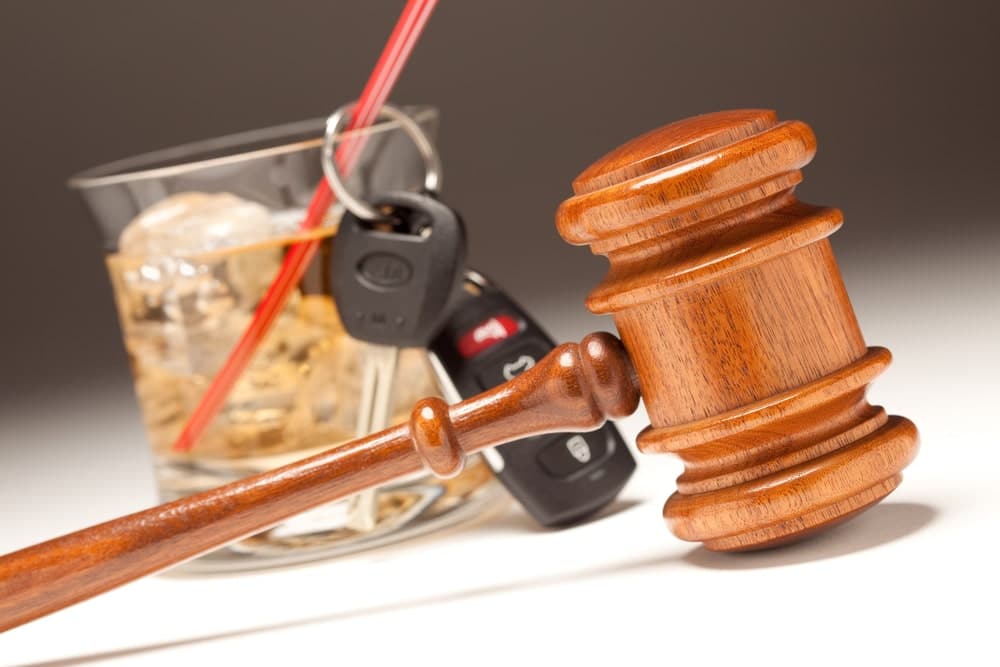
DUI and traffic offenses are among the most common legal issues faced by individuals, yet their consequences can be far more serious than many people anticipate. Charges related to driving under the influence, reckless driving, speeding, or repeated traffic violations can lead to fines, license suspension, increased insurance costs, criminal records, and in severe cases, incarceration. Beyond immediate penalties, these offenses may affect employment, professional licensing, and personal mobility.
Understanding DUI and Traffic Offense Classifications
Traffic offenses range from minor infractions to serious criminal charges. Non-criminal violations such as speeding or improper lane changes typically result in fines and points on a driving record. More serious offenses, including reckless driving, hit-and-run incidents, and driving under the influence of alcohol or drugs, are often classified as misdemeanors or felonies depending on circumstances.
DUI offenses are generally determined by blood alcohol concentration levels, impairment evidence, and prior convictions. Even first-time DUI charges can result in significant penalties, including mandatory education programs and license suspension. Attorneys analyze the classification of each charge, applicable statutes, and aggravating factors such as accidents, injuries, or prior offenses to build an effective defense strategy.
Traffic Stops, Arrests, and Legal Rights
The legal process often begins with a traffic stop. Law enforcement officers must have reasonable suspicion or probable cause to stop a vehicle. During a stop, drivers have specific rights, including the right to remain silent and the right to refuse certain searches. Improper stops or violations of constitutional rights can significantly affect the outcome of a case.
Attorneys review the circumstances of the stop, including officer conduct, documentation, and compliance with legal standards. If a stop or arrest was unlawful, evidence obtained may be challenged or suppressed. Protecting constitutional rights at this early stage is critical to preventing unjust charges and strengthening defense efforts.
Evidence Evaluation in DUI and Traffic Cases
Evidence plays a central role in DUI and traffic offense cases. This may include breathalyzer or blood test results, field sobriety test performance, dashcam footage, and witness statements. Each type of evidence must meet strict legal and scientific standards to be admissible in court.
Attorneys scrutinize testing procedures, calibration records, and officer training to identify errors or inconsistencies. Field sobriety tests, for example, are subjective and influenced by environmental factors, medical conditions, or stress. Challenging unreliable evidence can lead to reduced charges or dismissal, making detailed evidence analysis essential.
Administrative Penalties and License Suspension
In addition to court proceedings, DUI and serious traffic offenses often trigger administrative actions by motor vehicle departments. These actions may include immediate license suspension, point assessments, or mandatory hearings. Administrative penalties are separate from criminal cases and require timely response to protect driving privileges.
Legal counsel assists clients in navigating administrative processes, filing appeals, and attending hearings. Attorneys may argue for restricted or conditional licenses that allow individuals to maintain employment or essential responsibilities. Effective representation ensures that administrative penalties do not unnecessarily disrupt daily life or long-term mobility.
Defense Strategies and Plea Negotiations
Defense strategies vary depending on the nature of the offense, evidence strength, and client history. Attorneys may challenge the legality of stops, reliability of testing methods, or procedural compliance by law enforcement. In some cases, negotiation with prosecutors results in reduced charges or alternative sentencing options.
Plea negotiations may involve traffic school, substance abuse education programs, or probation instead of incarceration. Attorneys evaluate the risks and benefits of each option, advising clients on outcomes that align with long-term interests. Strategic negotiation often minimizes penalties while preserving clean driving records when possible.
Impact on Insurance, Employment, and Daily Life
DUI and traffic offenses can have lasting effects beyond legal penalties. Insurance premiums often increase significantly, and some providers may cancel coverage altogether. Employment consequences may arise, particularly for individuals whose jobs involve driving or require clean records.
Legal counsel helps clients understand these broader impacts and explore mitigation strategies. This may include record expungement, compliance programs, or defensive driving courses that demonstrate responsibility and reduce long-term consequences. Addressing these issues proactively supports recovery and stability after legal proceedings.
Repeat Offenses and Enhanced Penalties
Repeat traffic or DUI offenses result in harsher penalties, including longer license suspensions, increased fines, mandatory treatment programs, and incarceration. Courts and administrative agencies treat repeat offenders as higher-risk individuals, limiting available alternatives.
Attorneys focus on minimizing cumulative consequences by addressing underlying issues, ensuring compliance with court orders, and pursuing rehabilitation-oriented solutions. Early legal intervention is especially important for repeat offenses to prevent escalation and protect future opportunities.
Education, Rehabilitation, and Prevention
Courts often require education or rehabilitation programs for DUI and serious traffic offenses. These programs aim to reduce repeat violations and promote safer driving behavior. Participation can influence sentencing outcomes and future administrative decisions.
Attorneys advise clients on program requirements, compliance deadlines, and documentation. Preventive education and legal guidance help clients avoid future violations, reinforcing responsible driving habits and long-term legal compliance.
FAQs
What is considered a DUI offense?
A DUI offense involves operating a vehicle while impaired by alcohol or drugs, typically determined by blood alcohol concentration levels or observable impairment under applicable laws.
Can DUI charges be reduced or dismissed?
Yes, charges may be reduced or dismissed if evidence is unreliable, procedures were violated, or constitutional rights were infringed during the stop or arrest.
Will my license be suspended after a DUI?
License suspension is common but not automatic in all cases. Attorneys can challenge administrative actions and seek restricted driving privileges.
How do traffic offenses affect insurance rates?
Traffic and DUI offenses often lead to higher insurance premiums or policy cancellation, depending on severity and frequency.
Should I hire an attorney for a traffic or DUI case?
Yes, legal representation protects rights, challenges evidence, navigates administrative processes, and minimizes long-term legal and financial consequences.
Conclusion
DUI and traffic offenses carry consequences that extend far beyond immediate fines or court appearances. Effective legal defense requires careful evaluation of evidence, protection of constitutional rights, and strategic handling of both criminal and administrative proceedings. Attorneys play a critical role in minimizing penalties, preserving driving privileges, and addressing long-term implications related to insurance and employment.
Looking forward, responsible driving, compliance with legal requirements, and early legal guidance are essential to avoiding repeat offenses and escalating penalties. With knowledgeable representation and proactive education, individuals can navigate DUI and traffic charges more effectively while protecting their future mobility, reputation, and stability.
